
BRANDING METHODS EXPLAINED
If you ask us, this is the fun part. The same logo can be stitched, printed, engraved or domed, and each one gives a completely different look, feel and lifespan. We offer 18 branding techniques in-house (and yes, we can combine more than one on a single item). Here’s a plain-English tour of the main ones, and what each does best.
Embroidery
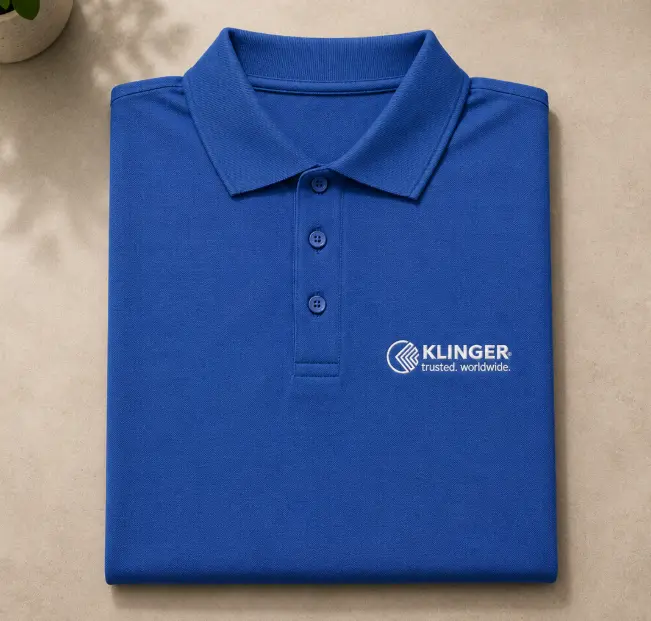
Your logo, stitched in thread by computerised embroidery machines working from a digitised version of your artwork. Textured, premium and extremely durable, embroidery survives hundreds of washes, which is why it’s the gold standard for golf shirts, jackets, hoodies, caps and workwear.
*Good to know:* your artwork only needs to be digitised once. On repeat embroidery orders, we charge a reduced setup fee because the digitising is already done.
Screen printing
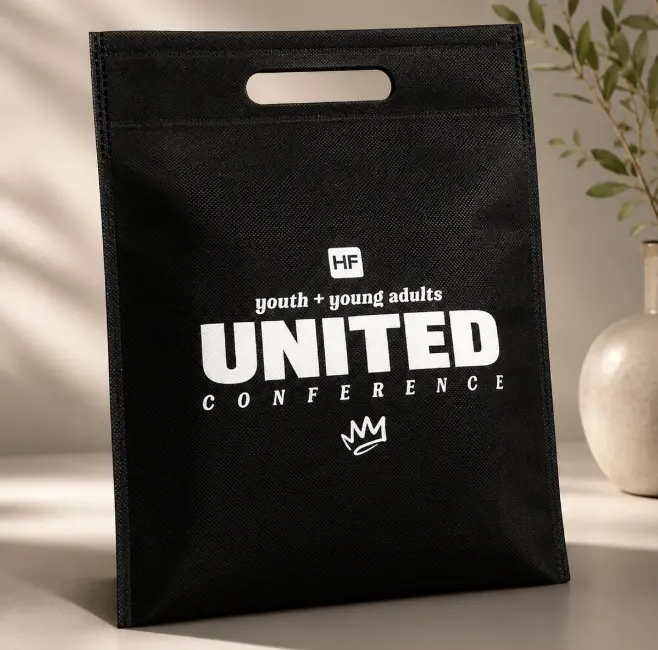
Ink is pushed through a fine mesh stencil onto the product, the classic method for bold, vibrant logos on t-shirts, bags and flat surfaces, and highly cost-effective at volume. Each colour is applied separately, which is why the number of logo colours affects the price, and why some items (like lined garments, or materials that can’t handle the drying heat between colours) have a limit on how many colours we can print.
Pad printing
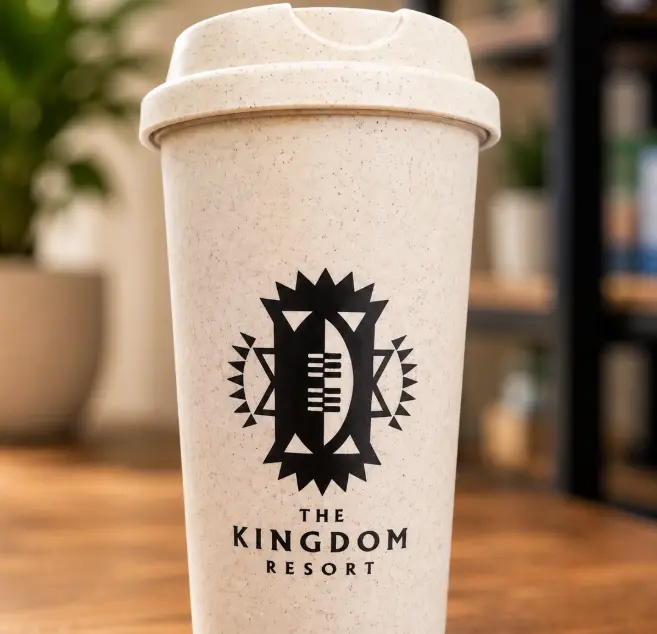
A silicone pad transfers your logo onto curved or irregular 3-D surfaces that other methods can’t reach, pens, mugs, keyrings, gadgets. One colour is applied at a time, but registration is accurate enough for full four-colour work.
Laser engraving and laser etching
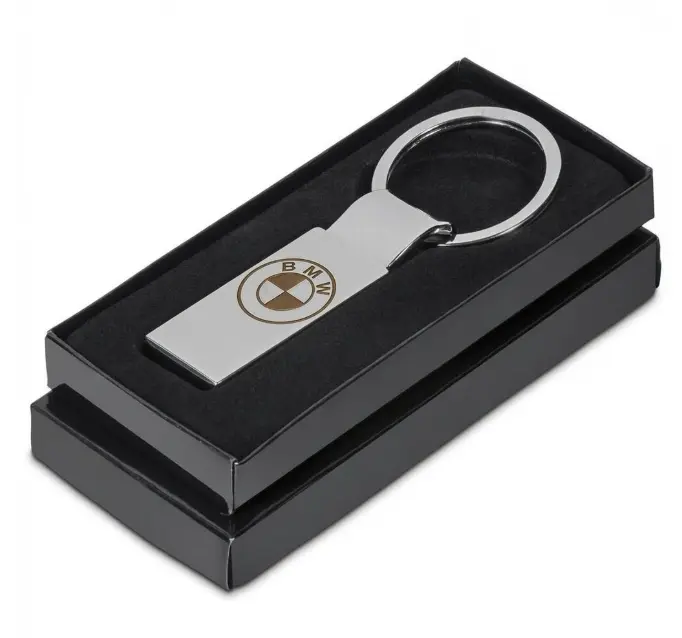
A computer-guided laser marks your logo permanently into the product surface, no ink, no fading, ever. On metal drinkware, executive pens, awards and tech items, engraving gives a subtle, premium finish. Laser etching achieves a similar effect on clothing.
Digital printing and digital transfer
Full-colour printing directly from your digital artwork, the answer when your logo has gradients, photographic detail or many colours that would be impractical to screen print. We digitally print directly onto notebooks, bags and drinkware, and use digital transfers for clothing and caps.
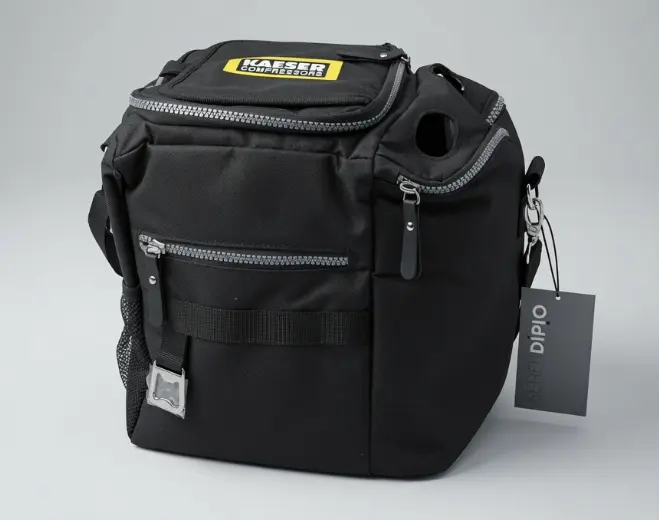
Sublimation
Ink is turned into gas and bonded *into* polyester fabric rather than sitting on top of it. The result: vivid, all-over, edge-to-edge colour that can’t crack or peel. This is how lanyards and full-colour fabric items are made.
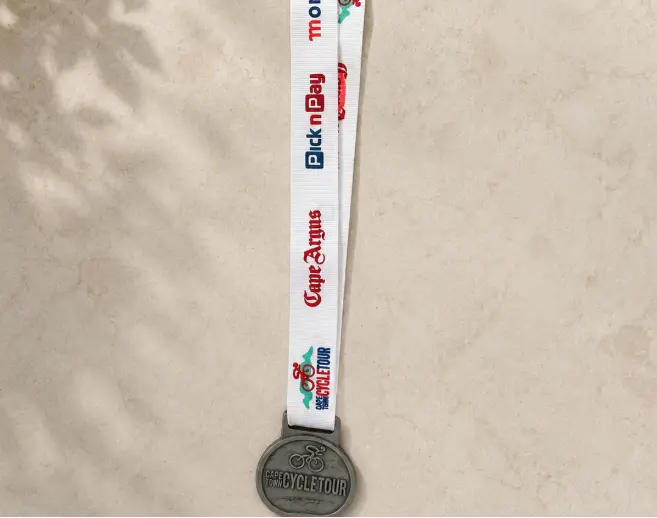
Heat press
Ink is turned into gas and bonded *into* polyester fabric rather than sitting on top of it. The result: vivid, all-over, edge-to-edge colour that can’t crack or peel. This is how lanyards and full-colour fabric items are made.
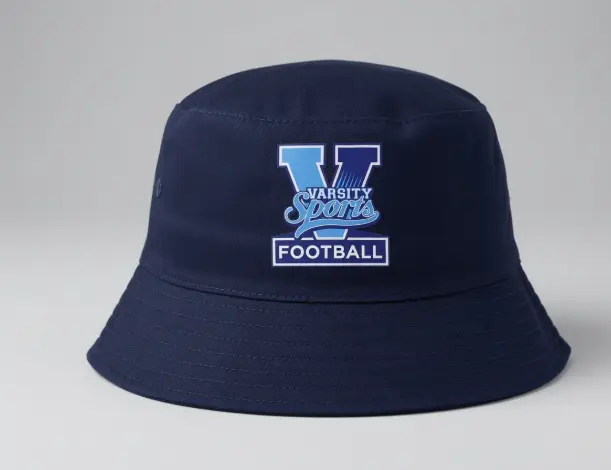
Vinyl and domed stickers
Vinyl stickers are digitally printed in full colour, gradients and complex logos welcome, then machine-cut to any shape. Domed stickers take it further: a clear polyurethane layer is applied on top and cured into a 3-D lens effect that looks and feels premium. Perfect for products where direct printing isn’t possible.
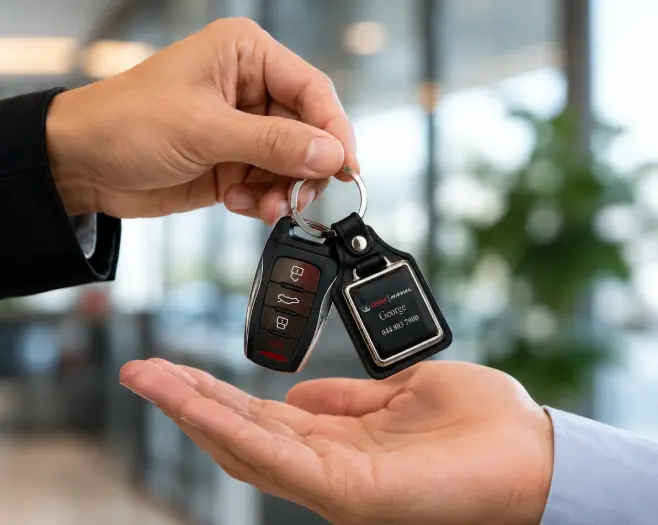
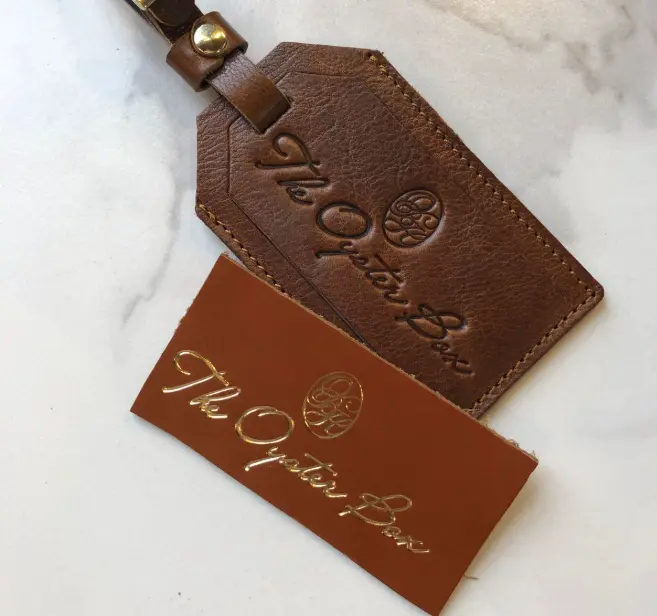
Debossing and hot foil stamping
Debossing presses your logo *into* the surface, think leather notebooks and folders, for an understated, executive finish. Hot foil stamping adds a metallic gold or silver impression for maximum shelf presence.
Which method for which product?
| You're branding… | Best methods |
|---|---|
| Golf shirts, jackets, caps | Embroidery; digital transfer |
| T-shirts (volume) | Screen printing; heat press |
| Pens, keyrings, gadgets | Pad printing; laser engraving |
| Metal drinkware, awards | Laser engraving |
| Notebooks (leather/PU) | Debossing; hot foil; digital print |
| Lanyards | Sublimation |
| Complex full-colour logos | Digital printing; vinyl/domed stickers |
This table is a starting point, not a rulebook, every product we sell has tested branding guidelines, and your Branding Consultant will recommend the ideal method (or combination) for your exact item and logo.
Why is my logo size limited on some products?
Each product is tested to find its optimal branding area: the flattest, obstruction-free surface, clear of seams, borders and sharp curves that would distort your logo. If your layout shows the logo smaller than expected, it’s been sized for quality, a crisp logo at the right size always beats a distorted one at maximum size.
Personalising individual names?
Adding each recipient’s name (great for staff gifts and awards) works best with embroidery, laser engraving and digital processes, methods that don’t need a new screen, plate or die for every name.
Still not sure?
Send us your logo and product idea, and we’ll recommend the perfect technique, with an artwork layout to approve before anything is branded.