Branded Merchandise Gender Truths: 7 Insights Your Brief Is Missing
Branded merchandise gender data from ASI shows men and women want very different things — and how to brief a campaign that actually lands.
How should branded merchandise gender data change your brief?
The effectiveness scores are close: 95% of men view branded merchandise as effective for brand awareness, the highest of any demographic measured. Women come in at 90%.
The positive-view-of-advertiser scores diverge more: 80% of men feel more positive about an advertiser that gives them branded apparel. Only 70% of women do — the lowest of any group surveyed. Women are the most sceptical audience for promotional products.
But here is the twist: 81% of women have bought branded products or apparel from an e-commerce site themselves. Only 72% of men have. Women are more sceptical AND more active. They know what good quality looks like because they’ve paid for it themselves.
What women DON’T want to be given is lazy, cheap corporate gifting. What men will tolerate in a pinch, women will quietly reject.
What do men want in branded merchandise?
Men’s favourite branded items, from the ASI research: jacket and joggers, polo shirt with pocket, small suitcase, can cooler, letter opener, quality pen, leather planner.
Reading across that list: quality fabric apparel, practical travel, desk items that feel substantial, and drinkware.
Importance of attributes for men: environmentally friendly 78%, socially responsible 77%, locally made 70%.
Men are also the most positive about AI — 59% feel positive, only 20% negative. If your target audience is male and your campaign incorporates tech or innovation messaging, this is a useful backdrop.
What do women want in branded merchandise?
Women’s favourite branded items, from the ASI research: lunch tote, lip balm, wristlet, hoodie and sweatpants set, desktop zen garden, winter jacket, travel mug.
Reading across that list: carry items, personal care, soft apparel, desk personality pieces. Less travel-luggage, more daily-carry.
Importance of attributes for women: socially responsible 77%, locally made 77%, environmentally friendly 70%.
Women rank social responsibility above environmental friendliness, unlike men. It’s a small difference that tells a bigger story — women are slightly more attuned to production ethics than to environmental ones.
Women are more cautious about AI: 45% positive, 26% negative, 29% neutral. The negative score is the highest among all demographics surveyed. Pitching AI-themed campaigns to a female-skewed audience? Be careful.
How should gender change a branded merchandise brief?
A branded merchandise gender with 70% female attendance should not receive the same branded gift as a mining safety summit with 85% male attendance.
For a female-skewed audience: soft apparel, lunch totes, lip balm, premium travel mugs. Lead with socially responsible and locally made credentials. Avoid overpromising tech.
For a male-skewed audience: quality pens, leather planners, coolers, jackets with technical features. Lead with environmental credentials and functional upgrades.
This is not about stereotyping. It is about reading the research and matching the item to the recipient — which is what every piece of branded merchandise should do, but which is easier to get wrong when “the audience” is assumed to be a neutral blob.
The neutral blob is the enemy of effective promotional campaigns.
Why does Fancy Inc look at branded merchandise gender gender in every branded merchandise brief?
Because the 81% of women who have bought their own branded apparel online have a sharp eye for substandard work. If we send them something cheap, they notice.
Because the 59% of men who feel positive about AI are a different audience from the 26% of women who feel negative about it — and if your campaign touches on that theme, the gendered skew matters.
Because a gift aimed at the “mixed-gender audience” usually ends up aimed at nobody. The mixed-gender brief is the cupboard-filler brief.
Brief us on who your audience actually is, and let us match the product.
Article by:
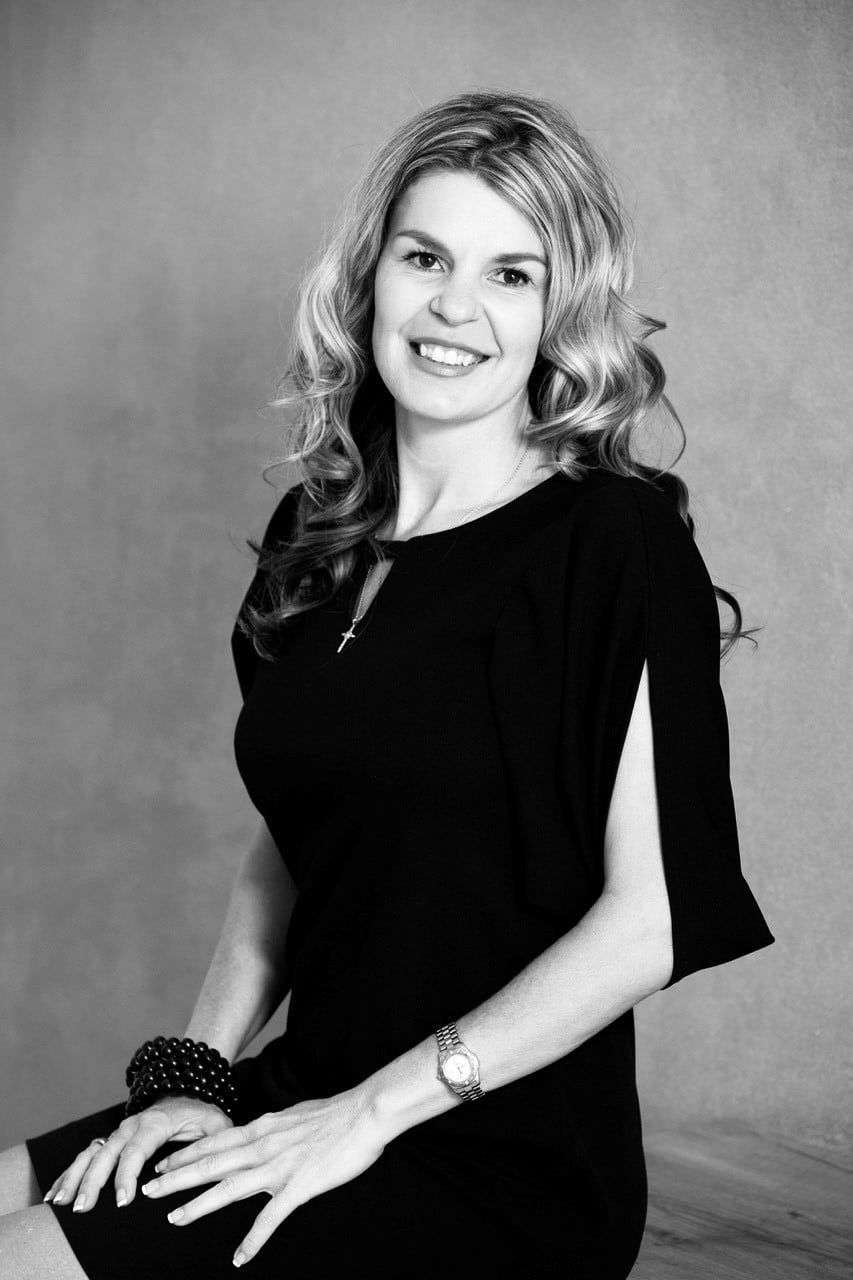
Maranda Van Dam is the CEO and Founder of Fancy Inc, one of South Africa’s leading branded corporate gifts and promotional merchandise companies. With 25 years of industry experience in strategic gifting, branded clothing and promotional products, Maranda and her team have helped hundreds of South African and global brands, including KFC, Life Healthcare, RE/MAX and Mercedes-Benz, make their brand unforgettable. Fancy Inc is based on the Garden Route in the Western Cape and delivers nationwide across South Africa.