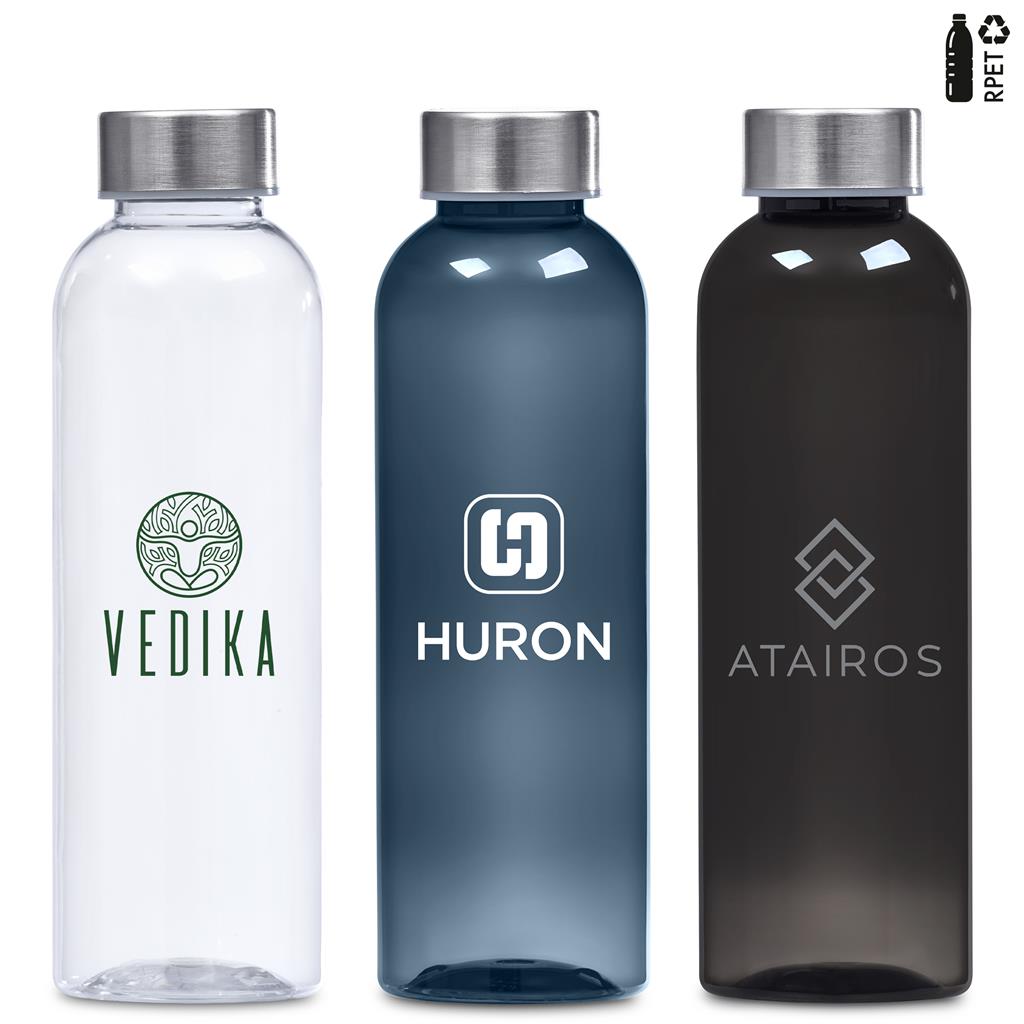
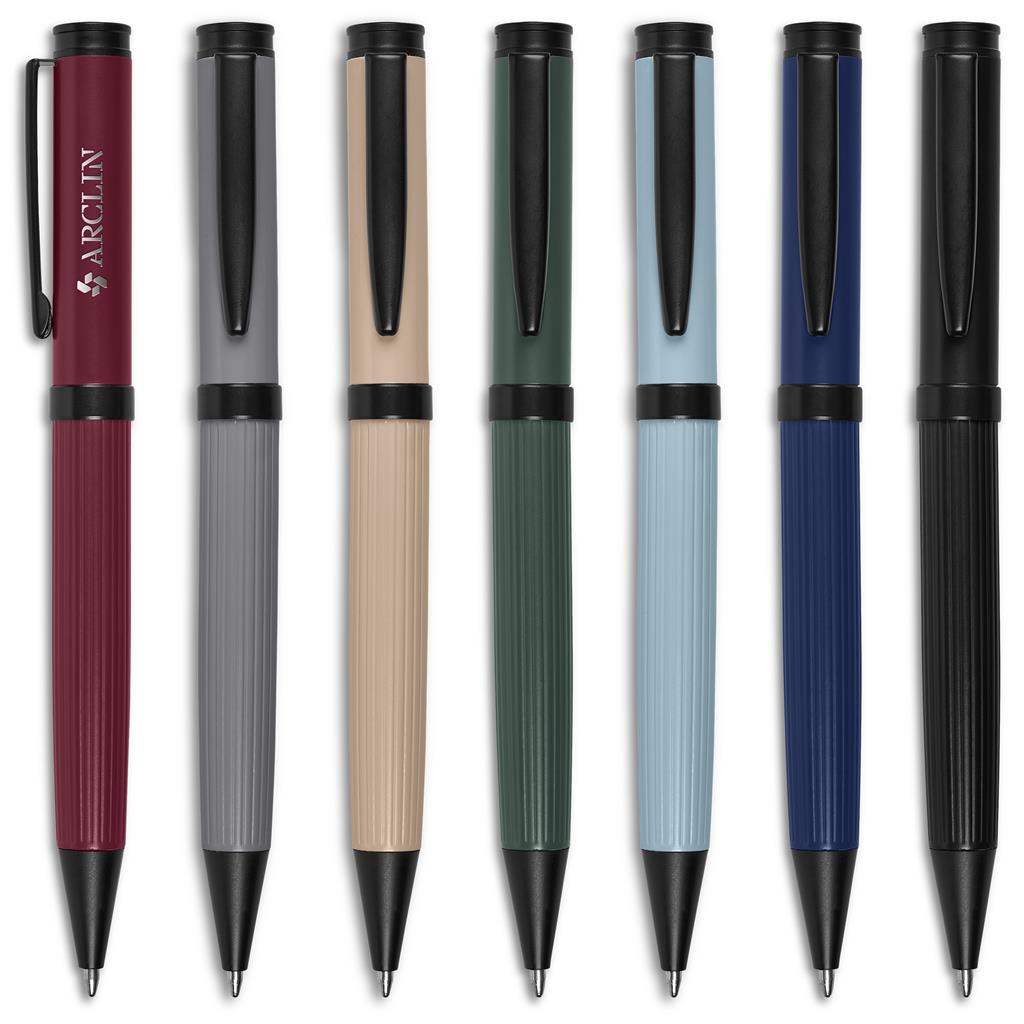
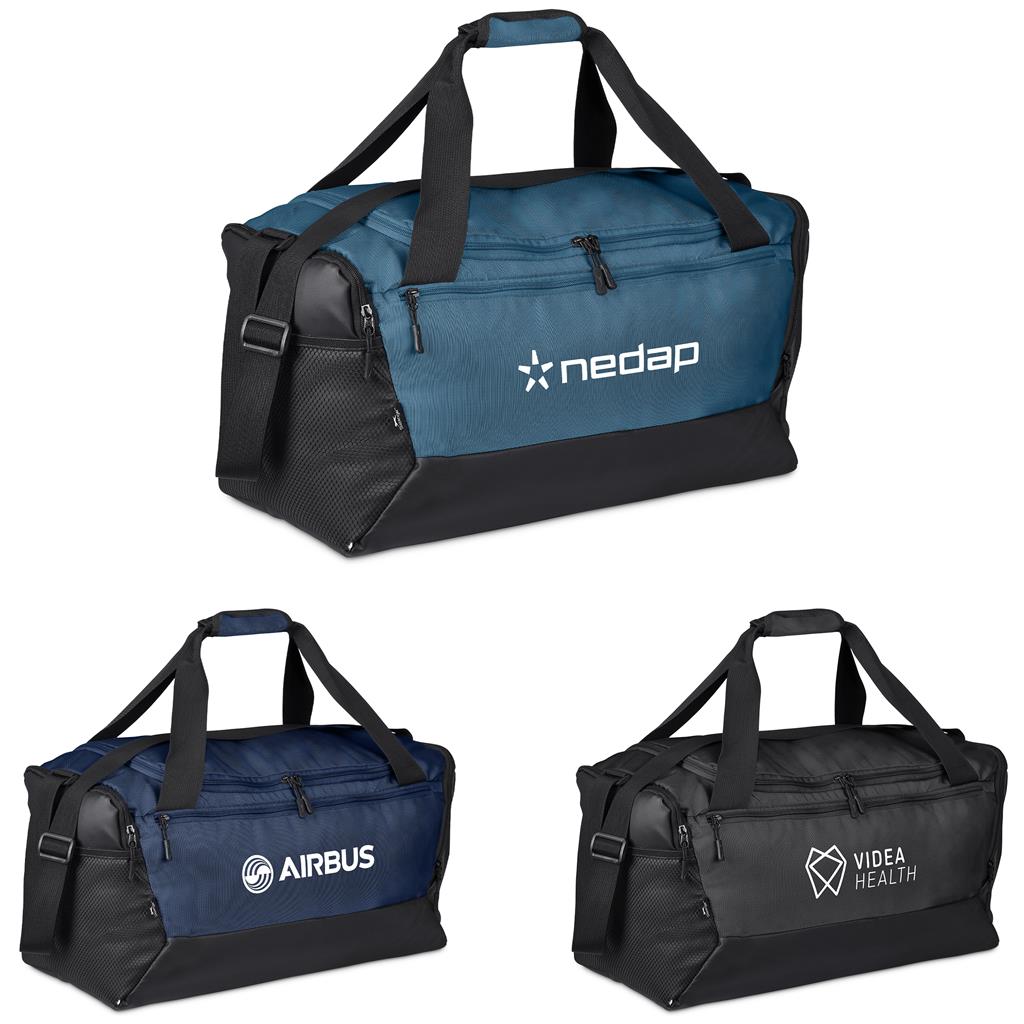
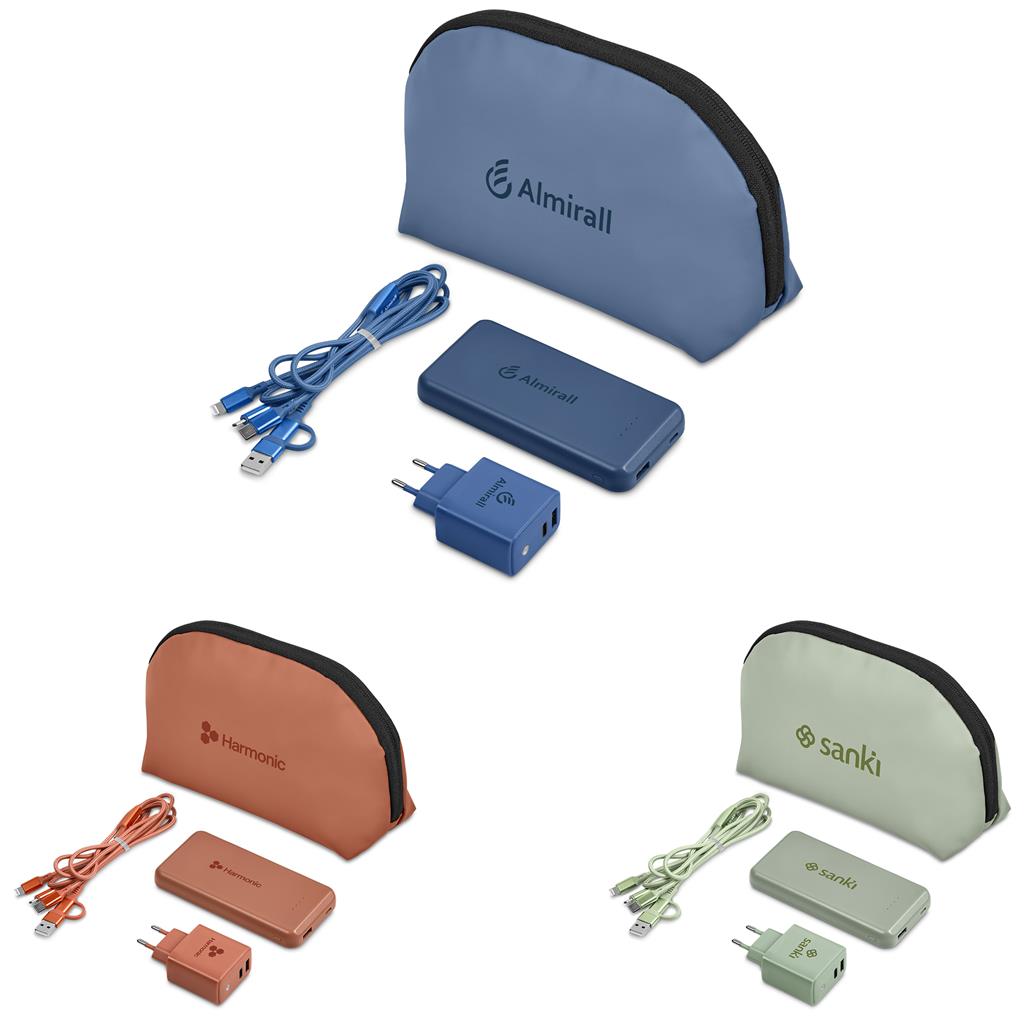
Fancy Inc is your trailblazing partner in crafting branded merchandise that sparks joy, builds connections, and drives brand loyalty. From vibrant corporate clothing to unforgettable promotional products and storytelling tools that live long after the event ends, we deliver across Johannesburg, Cape Town, Durban, and every corner of South Africa.
Trustindex verifies that the company has a review score above 4.5, based on reviews collected on Google over the past 12 months, qualifying it to receive the Top Rated Certificate.
Gifts & Hampers
Kitchen & Home
Stationary
Branded Workwear
Your Brand, Our Passion: By Your Side Every Step
At Fancy Inc, we’re not just about products—we’re about creating brand loyalty drivers that resonate. Our lightning-fast turnaround and obsession with quality make us the go-to for branded merchandise that stands out. Connect with our passionate team of promotional experts to ignite your next corporate clothing or branded gift campaign. Let’s make your brand unforgettable!
Corporate Gifts: Storytelling Tools That Last
South Africa’s premier destination for branded corporate gifts and awards that tell your story. Our curated collection is crafted with premium materials, designed to fit any budget while leaving a lasting impression. Each gift is a canvas for your brand—personalized with logos and messaging that align seamlessly with your corporate identity. From budget-friendly promotional gifts to luxurious corporate gifting options, we create moments that linger.
Fancy Inc is your one-stop manufacturer and supplier of corporate clothing that makes a statement. From custom T-shirts and golf shirts to winter-ready jackets, headwear, and bespoke staff uniforms, our in-house printing and embroidery services bring your vision to life. Our branded promotional apparel is designed to be human connection builders, ensuring your brand shines at every touchpoint.
Think of Fancy Inc as your dynamic extension of your marketing and branding team—or the one you wish you had! We specialize in curating branded merchandise that elevates your promotions, from custom-crafted products to perfectly placed logos on premium gifts. Our seamless distribution network ensures your storytelling tools arrive on time, anywhere in South Africa. With unrivaled customer service and a passion for branding, we’re here to make your company’s advertising ventures iconic.
We’re like your extended marketing & branding department. If you don’t have these departments, then you’ll be happy to know that we are the perfect match for your company. We specialize in serving our clients with the best of the best selection of Branded Corporate Gifts and merchandise to fit their promotion. From building custom products from scratch to placing your logo on the perfect branded corporate gifts & merchandise, your company deserves the best products in the market. Our extensive distribution network will ensure that your branded products arrive on time, where it is needed. We pride ourselves on our impeccable customer service and communication and strive to brand all companies in their advertising ventures!
Branded Corporate Gifts & Corporate Clothing for the coolest brands
All with a personal touch
OUR AWESOME CLIENTS
Numerous prominent South African and global brands have placed their trust in us to personalize their corporate gifts, all procured from none other than Fancy Inc, of course! Presented below is a brief selection of the major names that you’ll find yourself in esteemed company with once you join the esteemed ranks of Fancy Inc’s valued clientele
OUR MOST POPULAR PRODUCTS & Branded Corporate Gifts